If you run a business in Kenya, you've likely heard the buzz about the Kenya Revenue Authority (KRA) and its new eTIMS system. It might feel like just another government requirement, but a recent announcement changes the game entirely.
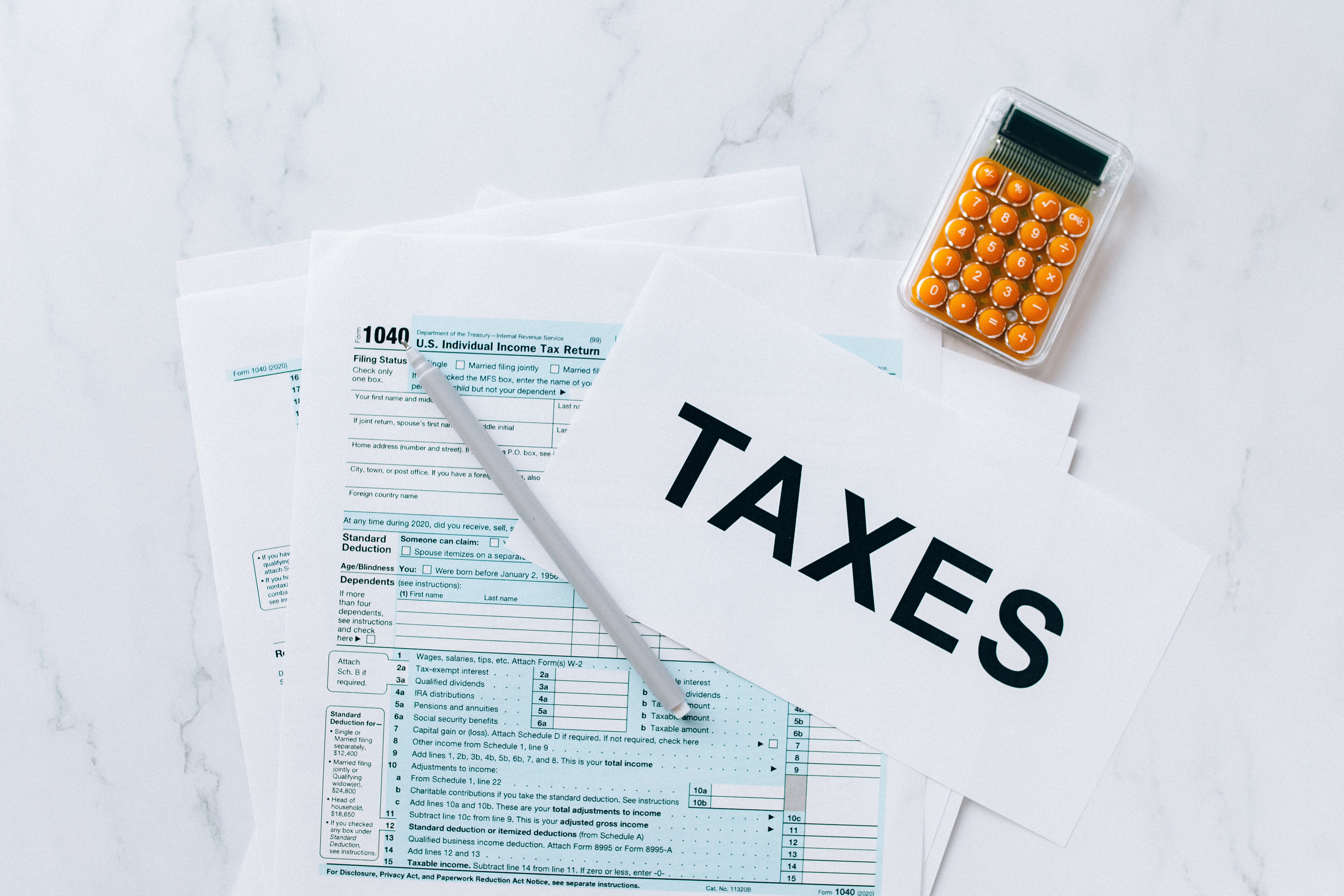
Starting January 1st, 2026, the KRA will begin a new process: validating the income and expenses you declare in your annual income tax return.
This isn't a small update. It's a fundamental shift in how taxation works in Kenya. Let's break down this official announcement into plain English and explore what it really means for the average mama mboga, shop owner, or freelance professional.
What Did KRA Actually Say?
In their official statement, KRA said that for the 2025 tax year (the return you'll file in 2026), they will check your declared income and expenses against three key data sources:
- TIMS/eTIMS: All your sales records from the new electronic tax system.
- Withholding Income Tax: Records of payments where tax was deducted at source (e.g., by your big clients).
- Customs Import Records: The official data for any goods you import for your business.
In simple terms: KRA is building a complete digital picture of your business finances, and they will use it to check if your tax return is accurate.
What Does This Mean for You? A Plain-English Translation
Forget the technical jargon. Here’s what this change means for your daily business life:
1. "Guesstimating" Your Sales is Over
The Old Way: At the end of the year, you might tally up your major sales and estimate your expenses to file your return. Maybe you forgot a few cash sales, or perhaps you didn't claim all your expenses because you lost the receipts.
The New Reality (From 2026): When you submit your return, KRA's computer system will instantly compare your declared sales to the total sales recorded in your eTIMS system. If you sold Ksh 5 Million worth of goods according to eTIMS, but you only declare Ksh 3 Million, you will immediately get a red flag. The system will ask, "Where is the other Ksh 2 Million?"
- The Bottom Line: You can no longer under-report your income. Your sales figures must match what eTIMS has recorded.
2. Every Expense Must Have a Valid E-Invoice
This is the other side of the coin. To claim an expense (like buying stock, paying for transport, or repairing equipment), you must have a valid electronic tax invoice from your supplier.
The Old Way: A handwritten receipt, a simple paper invoice, or a payment note might have been enough to justify an expense.
The New Reality: If your supplier doesn't give you a proper e-invoice generated through TIMS/eTIMS, with your KRA PIN correctly listed as the buyer, that expense may be rejected during KRA's validation.
- Why the PIN? So KRA can also see your supplier's sales records. When you buy stock, that purchase is an expense for you, but it's income for your supplier. KRA will now match this data on both ends.
- The Bottom Line: If you want to reduce your tax bill by claiming expenses, you must demand e-invoices from everyone you buy from. That "invisible" purchase from a distributor who doesn't give receipts can no longer be claimed.
3. Your iTax Submission is Now an Audit
Previously, filing your return on iTax was like submitting a form. The audit, if it happened, came later.
Now, the validation is the audit, and it happens the moment you click "submit." Your return will be cross-checked against a web of data KRA already has:
- Your eTIMS sales.
- The WHT your big clients declared paying you.
- The value of goods you imported.
If the numbers don't align, your return will likely be rejected, or you'll be flagged for a detailed audit immediately.
How Tracksales Makes KRA Compliance Simple and Automatic
While these new requirements might seem overwhelming, the right tools can make compliance seamless. Tracksales POS system is specifically designed to help Kenyan businesses meet these new KRA requirements effortlessly.
Here's how Tracksales simplifies your tax compliance:
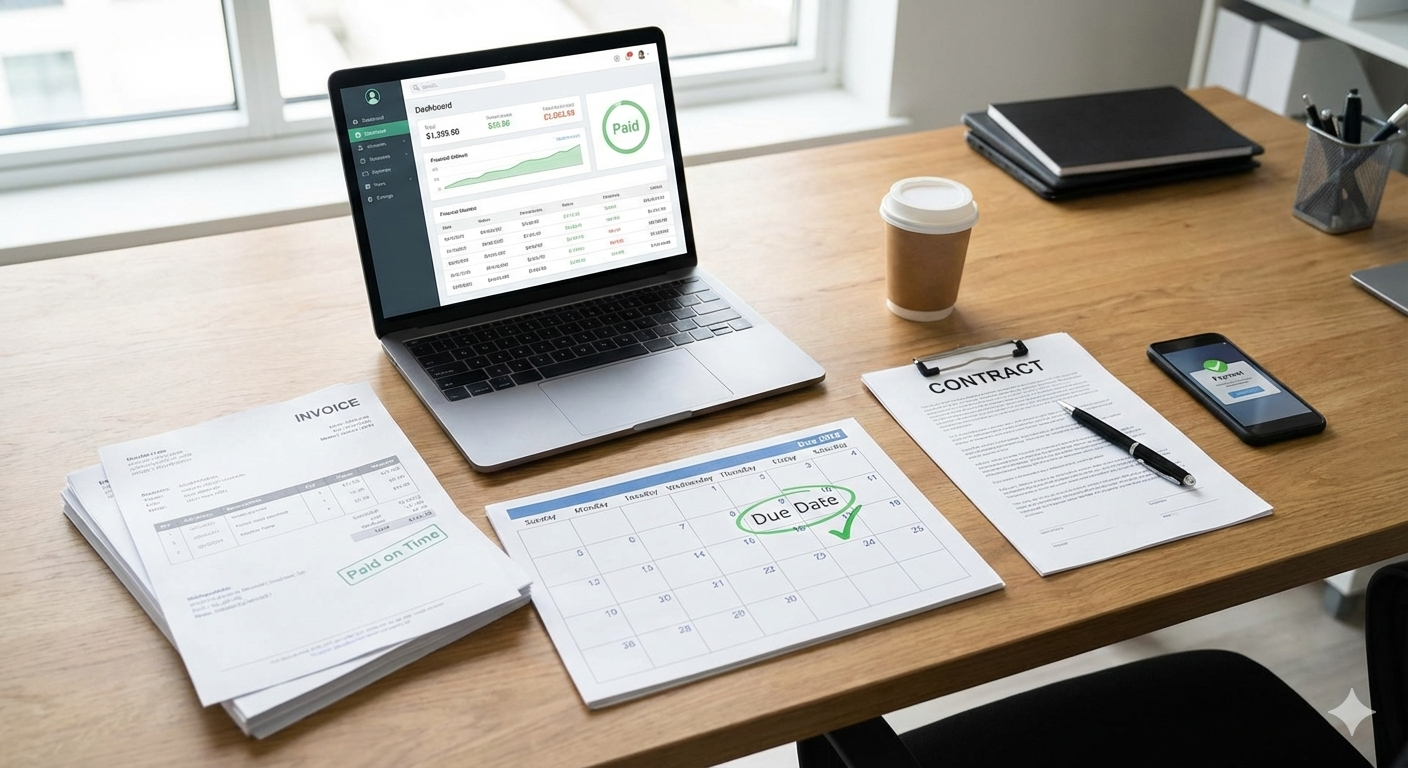
- Built-in TIMS/eTIMS Integration: Our system comes with fully integrated TIMS devices, meaning every sale you make through Tracksales automatically generates a KRA-compliant electronic invoice. You don't need separate systems or manual processes.
- Automatic Expense Tracking: Tracksales helps you capture and organize all your supplier e-invoices in one place. When you receive electronic invoices from your suppliers, you can easily record them in the system, ensuring you have all the documentation needed to validate your expenses.
- Real-Time Reporting: Generate instant reports that show your sales data exactly as it's being recorded in eTIMS. This allows you to regularly check that your records match KRA's data, preventing any surprises when you file your return.
- Complete Digital Trail: Every transaction - both sales and purchases - is properly documented and easily accessible. If KRA ever requires additional information, you can generate comprehensive reports with a few clicks.
Action Plan: What Should You Do Today?
Don't wait until 2026. The changes are for the 2025 tax year, which starts now for most businesses. Here’s your to-do list:
- Get Compliant with eTIMS Now: If you haven't already, sign up for eTIMS and start issuing electronic invoices for every sale you make. This is no longer optional; it's the foundation of your future tax compliance.
- Be a "E-Invoice Beggar": From today, whenever you buy anything for your business—from a ream of paper to a truckload of stock—ask the supplier: "Can I get an e-invoice with my PIN?" If they can't provide one, consider finding a supplier who can. That expense is only tax-deductible if it's properly documented in KRA's system.
- Keep Your Own Digital Records: Use a simple spreadsheet or accounting app to record all your e-invoices (both sales and purchases). Regularly check that your internal records match what eTIMS is tracking.
- Check Your KRA Statements: The announcement says you can ask your KRA account manager for a "TIMS/eTIMS schedule of your income and expenses." Do this periodically to ensure KRA's records match yours. It’s like checking your bank statement—you need to spot discrepancies early.
- Formalize Your Business Relationships: Ensure that any company or individual that withholds tax on your payments (e.g., a client deducting WHT) provides you with the official withholding certificate. This is your proof to claim that tax credit.
Need Help?
If you're confused, you're not alone. Contact the KRA Call Centre at 020 4 999 999 or 0711 099 999, or email [email protected]. Speaking to your designated KRA relationship manager is also a great first step.
The message is clear: adapt now, or face a much more difficult situation in 2026. Your business's financial health depends on it.
Kenneth Ndung'u
Kenneth Mwaura is the founder of Tracksales and has a passion for everything business. Outside of work he enjoys exploring different places, photography, watching handball and playing chess.