Let’s be honest: the most frustrating part of running a business often isn’t winning the client, but actually getting the money for the work you’ve done. You’ve delivered the goods, provided the service, sent the invoice… and then you wait. And wait. This delay isn't just annoying; it can cripple your cash flow, stall your growth, and add unnecessary stress.
You’re not alone. Over 50% of small and medium businesses in the region report that late payments are their biggest financial challenge, with invoices often being settled over 30 days past their due date. This isn't just a minor hiccup; it's a major barrier to sustainability.
The good news? You can take control. Here are 7 practical strategies to turn you from a polite bill collector into a business that gets paid on time, consistently.
1. Set Clear Payment Terms from Day One (Before the Handshake)
Clarity is your first line of defence. Don't leave payment discussions for the end. Your payment terms should be explicit, in writing, and agreed upon before any work begins.
- Be Specific: Instead of "payment due on receipt," state "Payment is due within 14 days of invoice date." Consider "Net 7" or "Net 15" for faster turnover.
- State the Consequences: Politely include late payment penalties. For example: "A 1.5% monthly service charge will be applied to all invoices overdue by more than 30 days." This isn't to be punitive, but to underscore the seriousness of the agreement.
- Get it Signed: Ensure these terms are part of your formal quote or contract. A signed agreement sets professional expectations.
2. Make Invoicing Effortless and Immediate
The faster you invoice, the faster you get paid. A delay in sending the invoice signals that payment isn't urgent.
- Automate: Use simple, affordable accounting software to generate and send invoices the moment a project is completed or a milestone is reached.
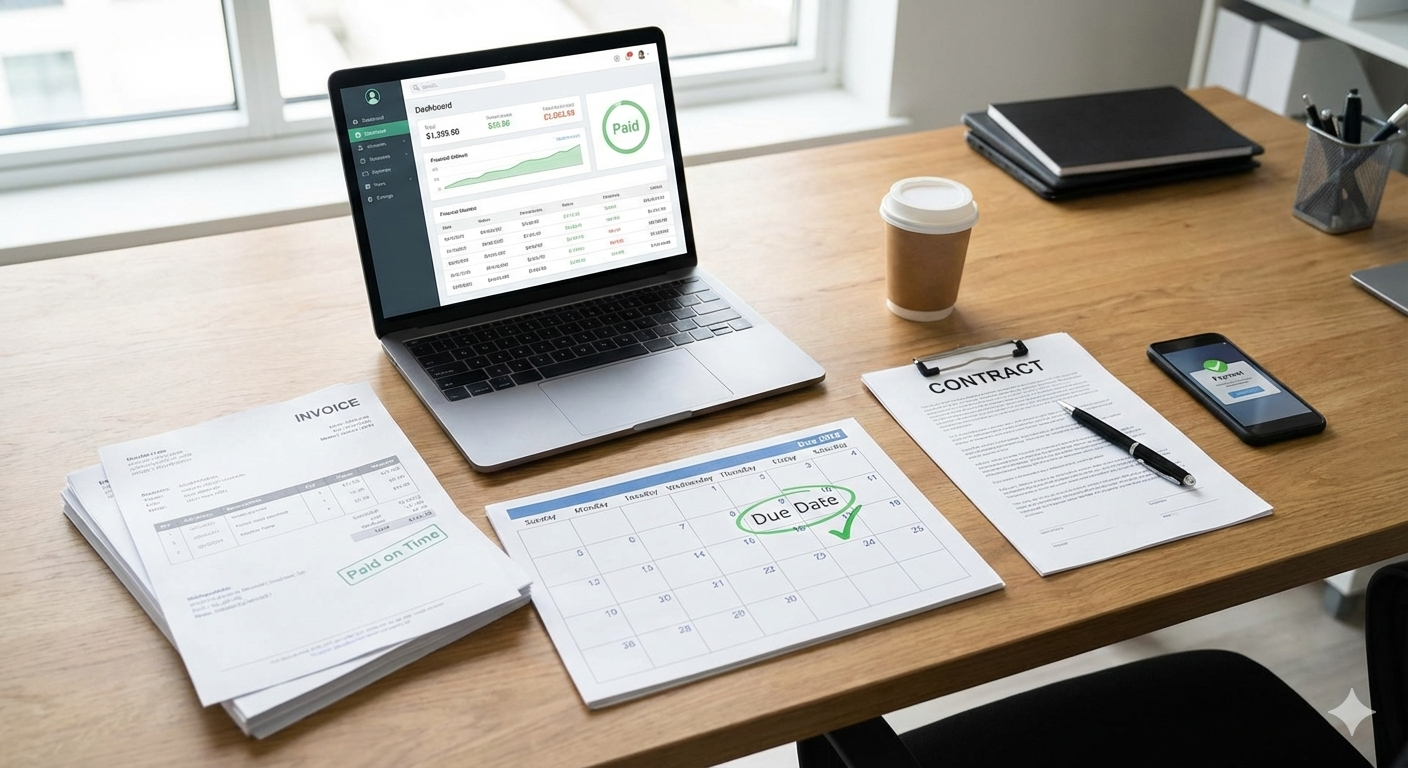
- Details Matter: Ensure every invoice is perfectly clear: your business details, client's details, a detailed breakdown of services/goods, the due date (highlighted), and your preferred payment methods.
- Go Digital: Email invoices as PDFs. They look professional, are easy to track, and arrive instantly.
3. Embrace Mobile Money & Digital Payment Links
It's 2024. If you're only accepting cash or bank deposits, you're adding friction. The easier you make it to pay, the less excuse there is for delay.
- Integrate Payment Options: Include your mobile money paybill number or till number directly on the invoice. Even better, use a platform that generates a secure payment link. The client can click and pay in seconds from their phone, any time of day.
- Psychological Edge: A "Pay Now" button reduces the steps between receiving the bill and settling it.
4. The Gentle Nudge System: Consistent, Professional Follow-Ups
Silence is not a strategy. Create a polite, automated follow-up sequence.
- Invoice Sent: Send a quick message: "Hi [Client], your invoice #[Number] for [Service] has been sent via email. Thank you!"
- 3 Days Before Due: "A friendly reminder that your invoice #[Number] is due in 3 days. The payment link is here for your convenience."
- 1 Day After Due (if unpaid): "We hope you received our invoice #[Number], which was due yesterday. Please let us know if you have any questions."
This system keeps you on their radar without being aggressive.
5. Offer Incentives for Early Payment
Sometimes, a carrot works better than a stick.
- Small Discount: Offer a 2-5% discount for invoices settled within the first 7 days. The slight reduction in revenue is often worth the dramatic improvement in cash flow and the elimination of collection hassles.
- Frame it Positively: "Thank you for your business. To streamline our process, we offer a 3% 'Prompt Pay' discount for invoices settled within one week."
6. Build Strong Relationships, Not Just Transactions
People pay people they know, like, and trust. A client who sees you as a valuable partner is less likely to stall your payment.
- Communicate Proactively: Update them during projects. Deliver beyond expectations.
- Be Human: A quick check-in call a few days after delivering an invoice to ask, "Did you receive the invoice? Any issues with it?" can work wonders. It’s a check-in, not a chase.
7. Know When to Pause Work and Have a Tough Conversation
This is the most important, yet hardest, rule. If a client consistently pays late for Project A, why would you start Project B?
- Politely Pause: "Hi [Client], we're excited to move to the next phase. However, our company policy requires us to settle outstanding invoices before initiating new work. Once Invoice #[Number] is cleared, we can immediately proceed."
- Protect Your Business: This isn't personal; it's professional. It protects your time, resources, and financial health. Serious clients will respect this boundary.
Final Thought
Getting paid on time isn't about being "hard." It's about being professional, clear, and treating your business with the respect it deserves. By implementing even a few of these strategies, you transform your accounts receivable from a source of stress into a smooth, predictable engine for your business's growth.
Your work has value. It’s time your payment cycle reflected that. Start with one step this week—maybe it's updating your invoice template or setting up a mobile payment link—and build from there. Your bank account (and your peace of mind) will thank you.
Kenneth Ndung'u
Kenneth Mwaura is the founder of Tracksales and has a passion for everything business. Outside of work he enjoys exploring different places, photography, watching handball and playing chess.